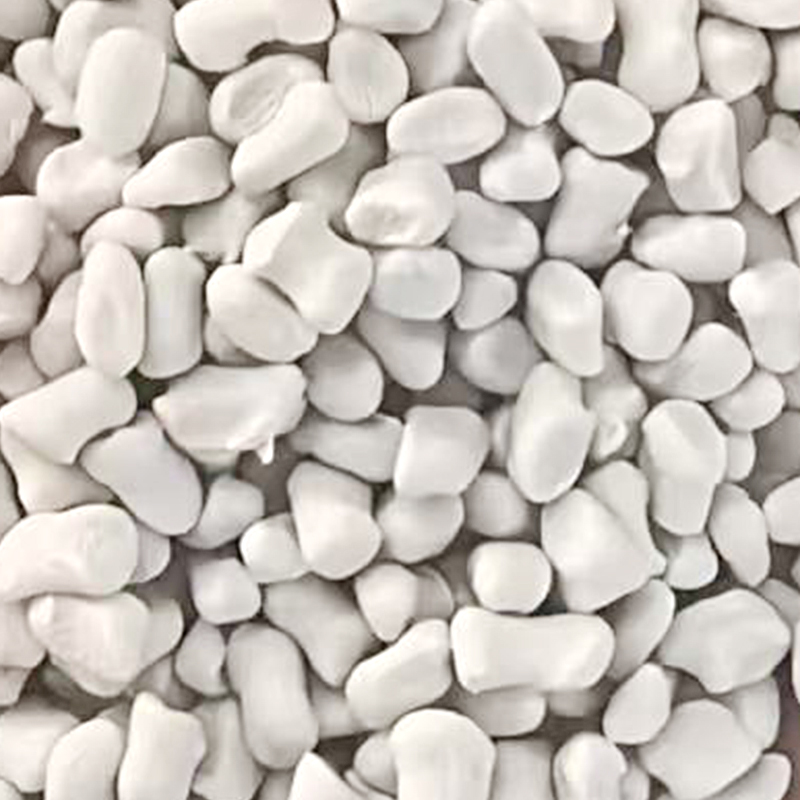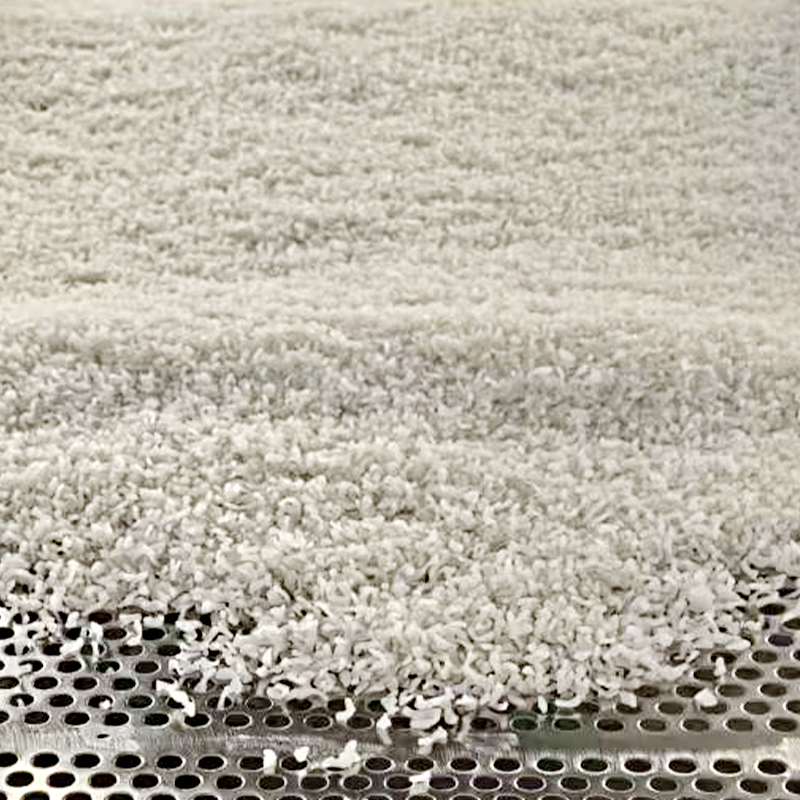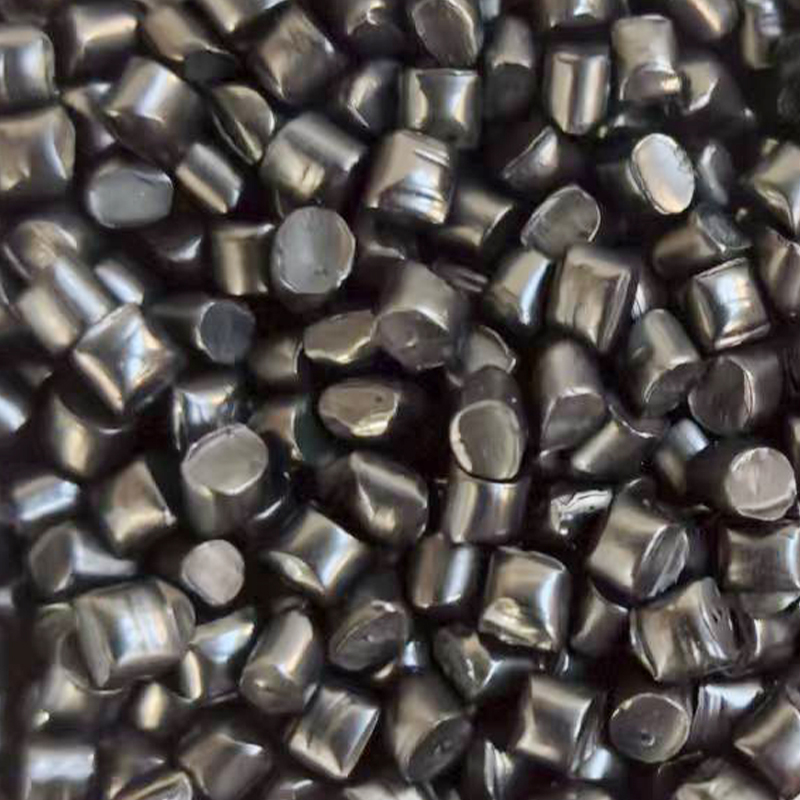


In plastic processing, filler masterbatch is widely used in polyolefin products such as PE and PP due to its low cost, uniform coloring, and good processability.
Photodegradable masterbatch emerges as a compelling innovation that bridges this gap. Designed primarily for coloring polyethylene (PE), polypropylene (PP), and other common thermoplastics, this additive not only imparts vibrant, consistent hues but also
The dispersant prevents the carbon black particles from re-aggregating by adsorbing onto the carbon black surface and forming steric hindrance or electrostatic repulsion.
In modern society, plastics, with their advantages of being lightweight, durable, and inexpensive, permeate every aspect of life.
The finished product needs to be tested for filler dispersion using equipment such as optical microscopes and laser particle size analyzers, or its transparency needs to be evaluated through transmittance tests.
In the field of plastic product coloring, white, though seemingly simple, places extremely high demands on the purity of materials, optical properties, and process stability.