

With the continuous development of the plastic products industry, market demands for product appearance, quality, and production efficiency are constantly increasing.
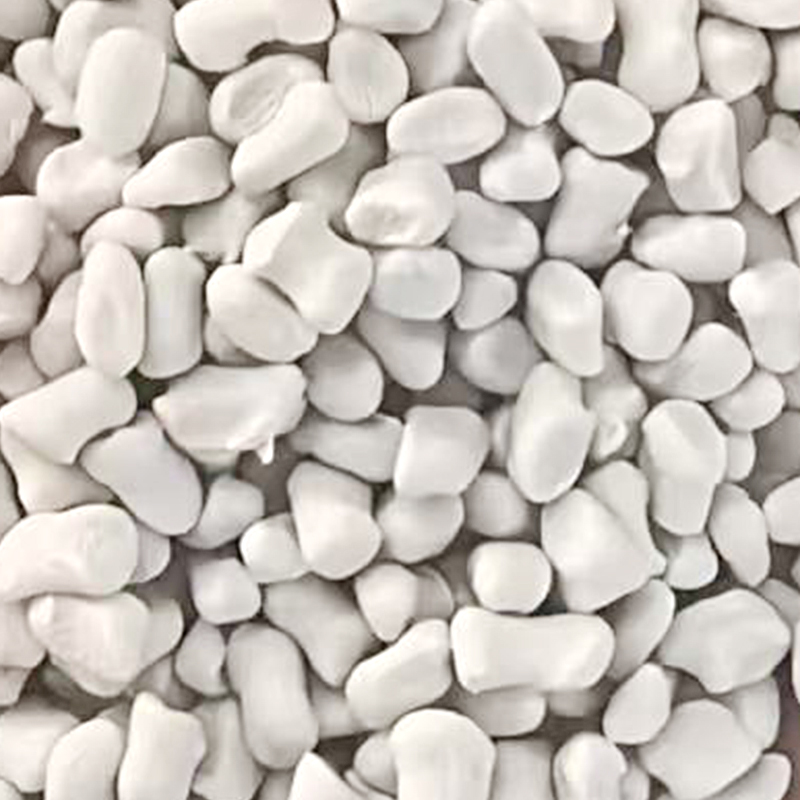
The white masterbatch is a cornerstone of the plastic coloring industry. It is a concentrated mixture of pigment and carrier resin, designed to be added to natural polymer during processing to impart a uniform white color.
In the application of transparent filling masterbatch in general plastics, compatibility with different plastic raw materials is a key factor affecting material properties.
With the increasing pursuit of functional and environmentally friendly plastic products, photodegradable masterbatch is widely used in PE, PP, and other material systems due to its combined coloring and biodegradability.
In the plastic product manufacturing chain, the coloring process is not only a crucial step in giving products an aesthetically pleasing appearance, but also a core process that determines material performance and cost control.
In processing steps such as high-temperature melt extrusion, if photosensitizers undergo thermal decomposition or phase change, the number of their photoactive centers will be sharply reduced, thereby weakening the photodegradability of the final product.