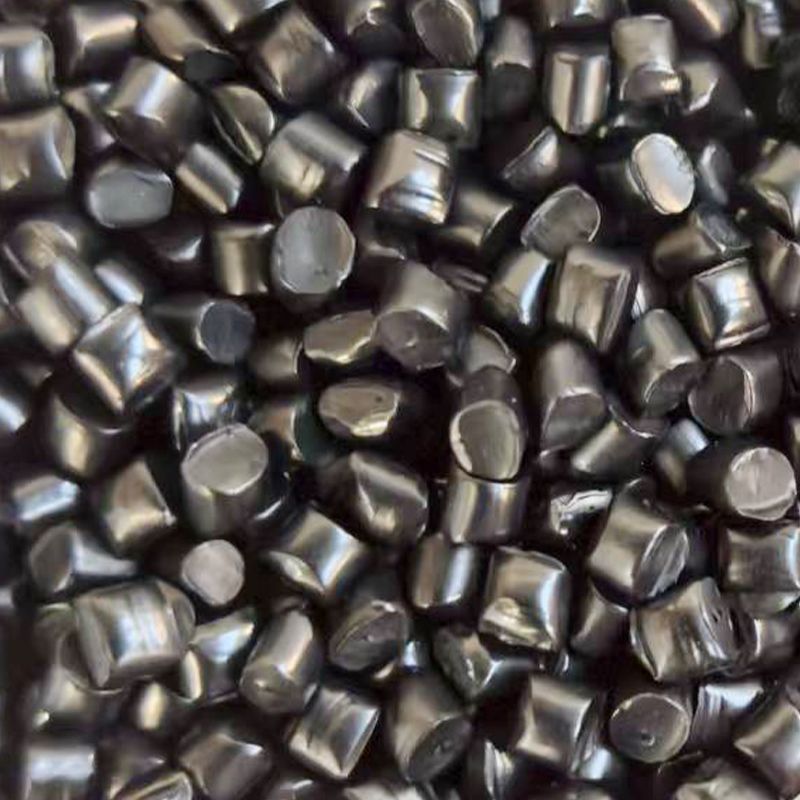

The dispersant prevents the carbon black particles from re-aggregating by adsorbing onto the carbon black surface and forming steric hindrance or electrostatic repulsion.
In modern society, plastics, with their advantages of being lightweight, durable, and inexpensive, permeate every aspect of life.
The finished product needs to be tested for filler dispersion using equipment such as optical microscopes and laser particle size analyzers, or its transparency needs to be evaluated through transmittance tests.
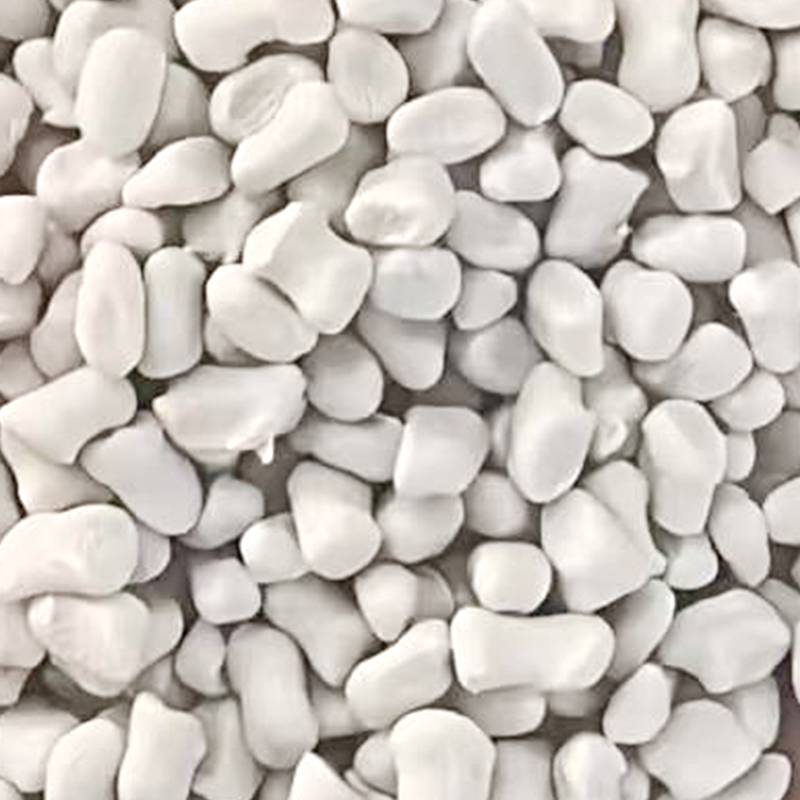
In the field of plastic product coloring, white, though seemingly simple, places extremely high demands on the purity of materials, optical properties, and process stability.
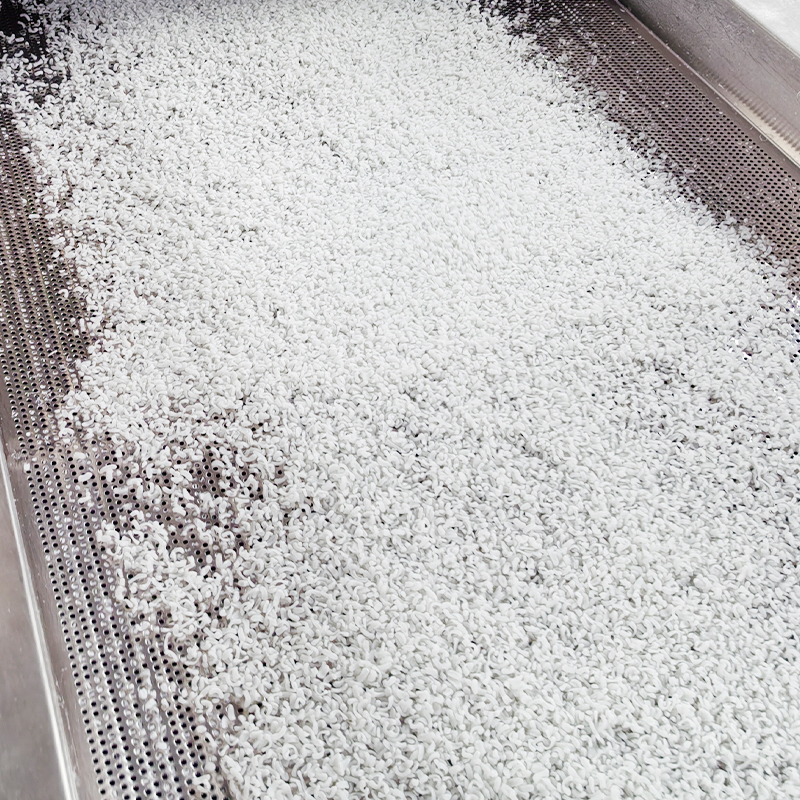
To solve this problem, transparent filling masterbatch was developed. Through a deep integration of materials science and precision manufacturing, it can give PE, PP, and other plastics vibrant colors while maintaining excellent high light transmittance,
The technological evolution of photodegradable masterbatch has progressed from single photocatalysis to a multi-level degradation system of photo-oxidation-biology.